


Table of Contents
Understanding When Fans Buy and Why It Matters
In ticketing, sales data is often viewed through a single lens: how many tickets were sold. But volume alone only tells part of the story. One of the most valuable insights for clubs and venues comes from understanding when fans choose to buy.
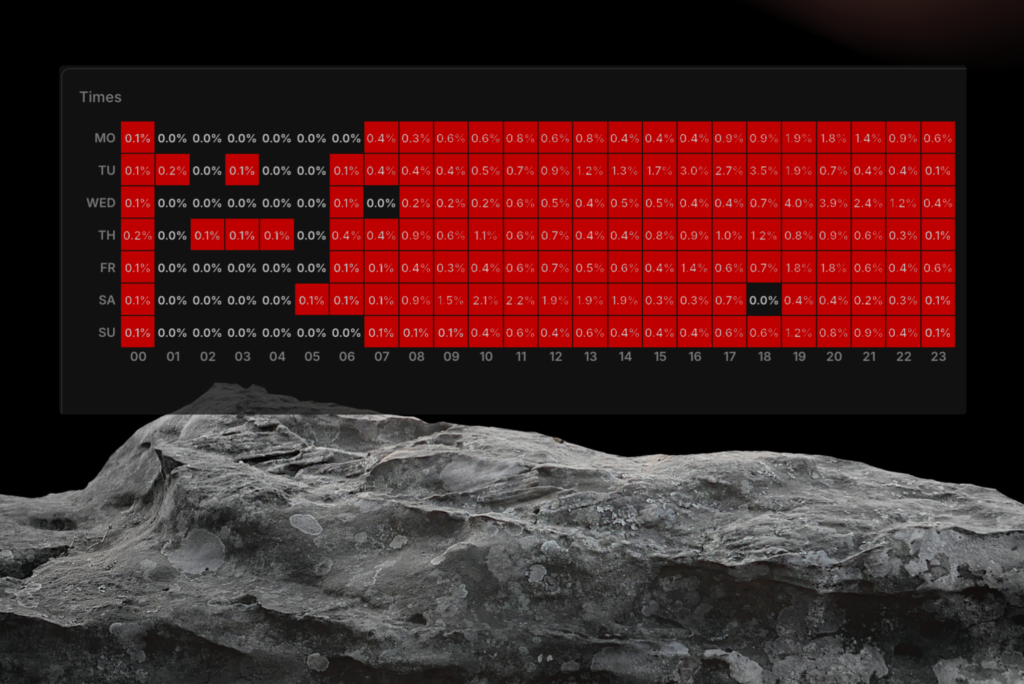
A 24/7 purchase time window gives organisations a clear, evidence-based view of buying behaviour across days and times. Rather than relying on assumptions about audience habits, this data highlights real patterns drawn from actual transactions over a selected period. Over time, those patterns build a far more detailed understanding of fan behaviour.
When purchase activity is mapped across the week, clubs and venues can see exactly when their audience is most engaged. Some fans buy during working hours, others in the evening, and many make decisions at the weekend. These behaviours are often consistent, but without clear visualisation they can easily be overlooked. Purchase time data brings them into focus and makes them actionable.
The insight becomes even more valuable when combined with marketing activity. By comparing purchase behaviour with campaign send times, teams can see how fans respond after communications are delivered. Sales may spike immediately, build steadily over several hours, or peak later than expected. Instead of simply measuring whether a campaign “worked,” organisations can understand how and when it influenced buying decisions.
This leads to smarter campaign planning. Communications can be scheduled to align with natural buying peaks, rather than attempting to drive engagement during quieter periods. It also highlights missed opportunities, such as strong purchasing windows that are not currently supported by marketing activity.
Purchase time data also reveals important differences between audience segments. Loyal supporters, casual attendees, and first-time buyers often follow distinct purchasing patterns. Some secure tickets as soon as they go on sale, while others wait until closer to the event. Recognising these trends enables more targeted messaging and more realistic expectations around sales pacing.
The same insight supports better planning of announcements and on-sale launches. Releasing tickets when fans are already active can generate stronger early momentum. It also provides context for performance analysis, helping teams determine whether slower initial sales are due to timing rather than demand.
Most importantly, purchase time data creates a continuous feedback loop. By comparing behaviour across seasons, events, or campaigns, organisations can identify what genuinely drives change. This transforms data from a static report into a tool for ongoing improvement and more efficient use of marketing resources.
In an increasingly competitive ticketing landscape, understanding your audience means more than tracking demographics or attendance. Knowing when fans buy offers deeper insight into how they engage. With the right data, clubs and venues can replace guesswork with confidence, using real behaviour to inform strategy and strengthen connections with their audience.
To learn more contact one of our experts sales@justtikit.com


